BMW K 1300 GT About - Overview, History & Details
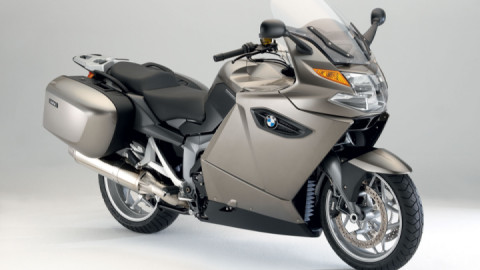
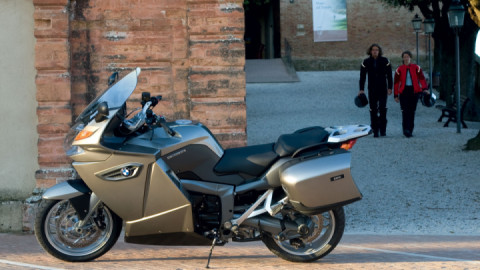
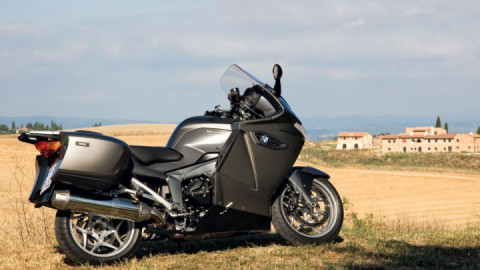
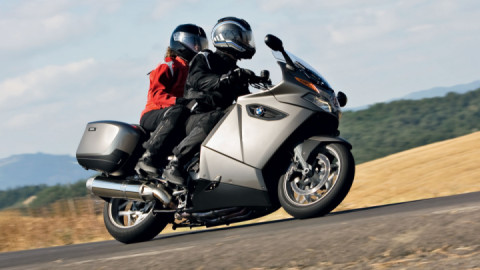
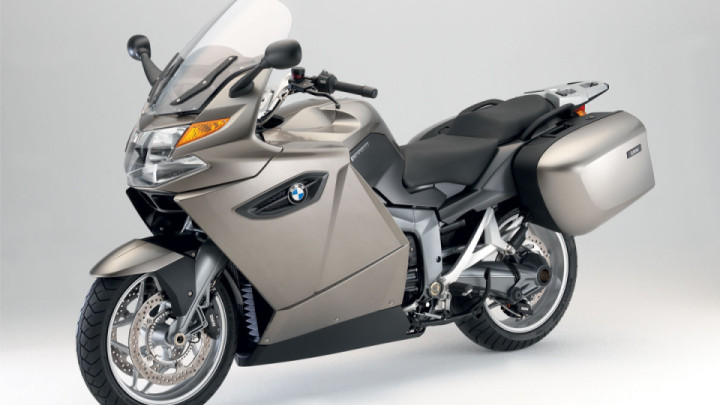
The BMW K 1300 GT was the last and most developed version of BMW Motorrad’s transverse inline-four grand tourer, sold from 2009 until the model line was discontinued in 2010 for some markets and effectively replaced in the range by the six-cylinder K 1600 GT from 2011. It sat in a narrow but important part of the touring market: riders who wanted real long-distance comfort and luggage capacity, but did not want the bulk, visual mass, or slower responses of a full-dress luxury tourer. In that sense it was both a refinement of the earlier BMW K 1200 GT and a final statement of BMW’s four-cylinder sport-touring idea before the company moved upmarket and up in capacity.
Understanding the K 1300 GT means understanding that it was never meant to be a pure sports bike with bags, nor a stripped-down touring barge. It was built to cover distance quickly, with strong weather protection, shaft-drive convenience, high-speed stability, and enough performance to satisfy riders who still cared about pace. Its importance now lies partly in that balance, and partly in timing: it arrived just before large-capacity sport-tourers began to lose ground to adventure bikes and ever more specialised touring machines.
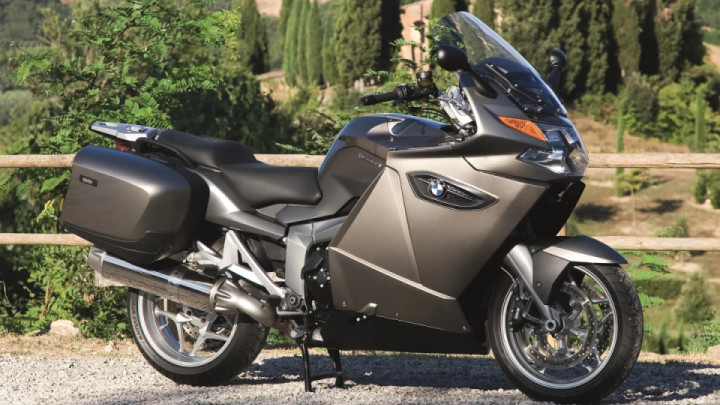
Why BMW built it
By the late 2000s, the European sport-touring class was still credible, but it was changing. Riders who had once bought fast road-biased tourers were increasingly looking at tall adventure motorcycles for comfort and all-round use, while traditional luxury-tour customers were leaning toward larger, more elaborate machines. BMW already had strong positions with the BMW R 1200 RT on the boxer-touring side and the K-series four-cylinder models for buyers who wanted more outright speed and a different engine character.
The K 1300 GT emerged from that context. Officially, BMW presented the K 1300 family as a thorough revision of the earlier K 1200 range, with more capacity, stronger midrange, detail improvements, and chassis and driveline refinements. Period road tests and owner experience make clear why that mattered. The K 1200 generation had impressed on paper and in performance terms, but it had also attracted criticism for abrupt fuelling, clutch and gearbox harshness, and some driveline manners that did not quite match the premium ambition of the package. The K 1300 GT was BMW’s answer: not a clean-sheet motorcycle, but a serious attempt to smooth the rough edges without giving up the speed that defined the concept.
In BMW’s own range, the GT offered a distinct alternative to the R 1200 RT. The boxer twin RT was lighter-feeling at low speed, mechanically less intimidating for some owners, and deeply established as a long-distance tourer. The K 1300 GT countered with more power, a higher cruising ceiling, and the turbine-like feel that only a large inline-four can really provide. For riders who crossed countries two-up, often on fast roads, that difference was central.
The engineering concept
Like the K 1200 models on which it was based, the K 1300 GT used BMW’s then-unusual transverse inline-four layout with the engine canted forward in the chassis. The cylinders lay across the frame in the normal way for an inline-four, but the whole unit was leaned well forward. That helped centralise mass, lowered the apparent height of the engine, and created space above it for intake and chassis packaging. It also contributed to the K-series visual identity of the period, with a long, low nose and a compact-looking engine area for such a large-capacity machine.
The frame was an aluminium bridge-type structure using the engine as a stressed member. In simple terms, that means the engine was designed to carry part of the loads that a fully separate cradle frame would otherwise absorb. The approach saves weight and can increase stiffness, but it also demands careful tuning of mounts and chassis geometry so the bike does not feel harsh or awkward. BMW’s aim here was not razor-edge sports-bike behaviour. It was to give a heavy, luggage-capable shaft-drive tourer the steering precision and high-speed composure expected from a premium fast tourer.
Suspension followed BMW practice rather than Japanese convention. At the front was the Duolever system, derived from Norman Hossack’s design: a wishbone-based layout that separates steering and suspension functions more than a telescopic fork does. At the rear BMW used its Paralever single-sided swingarm, a shaft-drive arrangement intended to reduce the pitching reactions that older shaft-drive motorcycles often displayed under acceleration and deceleration. Both systems were part of BMW’s case that a serious high-performance tourer did not need to copy sport-bike hardware to work well.
Engine, transmission, and what changed from the K 1200 GT
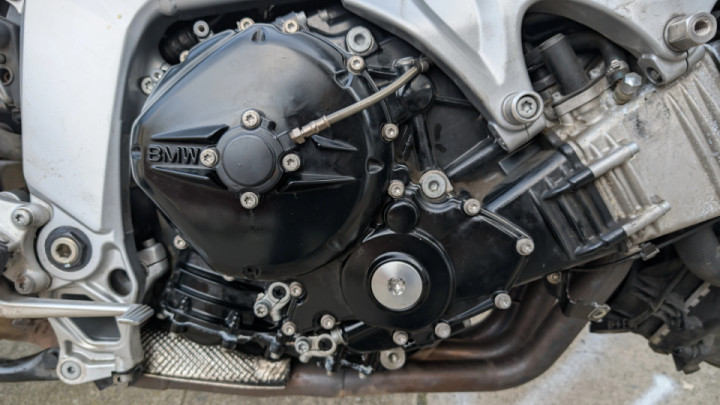
The headline mechanical change was the increase in displacement from 1,157 cc to 1,293 cc. BMW achieved this through a longer stroke rather than a radical rethinking of the engine architecture. Claimed output rose accordingly, with most period sources citing 160 bhp and about 99 lb-ft of torque, though exact quoted figures can vary by market and measurement standard. More important than the peak numbers was where the extra capacity showed up. Contemporary tests generally agreed that the K 1300 GT pulled harder through the middle of the rev range and needed fewer downshifts in normal riding than the K 1200 GT.
That suited the motorcycle’s role. A sport-tourer carrying luggage, passenger, and possibly an electrically adjusted screen in the airflow benefits less from a peaky top-end than from easy overtaking thrust. Owners and testers often described the engine as extremely strong once under way, with relaxed high-speed cruising and a level of acceleration unusual in a machine this comfortable. It was one of those motorcycles that could feel calm until the rider looked at the speedometer.
BMW also revised the throttle response and transmission action. This was a load-bearing improvement, because one of the most repeated complaints about the K 1200 generation concerned abrupt low-speed fuelling and a clunky drivetrain. Reports on the K 1300 GT suggest BMW did improve matters, though not to the point of complete consensus. Most testers found it smoother, easier to modulate at low speed, and generally more polished. Some still noted a firm gearbox action and a degree of driveline snatch, especially when compared with the very best chain-driven Japanese sport-tourers of the period.
The six-speed gearbox drove the rear wheel through a shaft final drive, a major part of the GT’s long-distance appeal. Shaft drive cuts routine maintenance and keeps the rear wheel area cleaner than a chain does, which matters on a bike intended for all-weather travel. The trade-off is added mechanical complexity, different unsprung-mass characteristics, and the need to control torque reactions. BMW’s Paralever system had long addressed those issues reasonably well, and on the K 1300 GT the shaft was generally regarded as an asset rather than a dynamic liability.
Another notable item was the availability of BMW’s quickshifter system, marketed as Gear Shift Assistant, on some K 1300 models. Its fitment and relevance were more often discussed in relation to the sport-oriented BMW K 1300 S than the GT, but it signalled BMW’s wider effort to make the K 1300 family feel more modern and performance-minded. On the GT, though, the real story was not gadgetry. It was refinement.
Chassis behaviour and braking
At a standstill or during slow manoeuvres, the K 1300 GT was unmistakably a large motorcycle. Its weight, broad fairing, high equipment level, and long-distance design priorities meant it never concealed its size in the way a slimmer sport-tourer might. But once moving, period road tests usually described it as more manageable than its proportions suggested. The Duolever front end resisted excessive dive under braking, which gave the bike a composed feel on fast roads and during heavy deceleration with a passenger or luggage aboard.
That composure came with a particular flavour. Riders accustomed to conventional forks sometimes found the steering feel of BMW’s front suspension slightly remote at first, because the usual fork dive cues were reduced and feedback through the bars felt different. Supporters saw that as stability and precision. Critics sometimes described it as isolation. Both reactions can be true, depending on what the rider expected from a sporting tourer.
On open roads, the BMW’s size became an advantage. It tracked very steadily at motorway speeds, coped well with cross-continental work, and kept a settled line through long bends. Contemporary testers often praised its ability to cover ground quickly without feeling strained. That is where the K 1300 GT made most sense. Tight hairpins and urban filtering were never its strongest suit, but fast A-roads, autoroutes, and wide mountain roads were exactly the environment for which it had been engineered.
Braking performance was strong for the period, with ABS standard or widely fitted depending on market specification. BMW had moved away from its earlier servo-assisted integral brake systems before the K 1300 generation, a change many riders welcomed because it reduced complexity and gave a more conventional brake feel. On a motorcycle in this class, predictable braking mattered as much as outright power. Reviews generally suggested the K 1300 GT delivered both, especially once riders became familiar with the front-end behaviour.
Touring use, comfort, and equipment
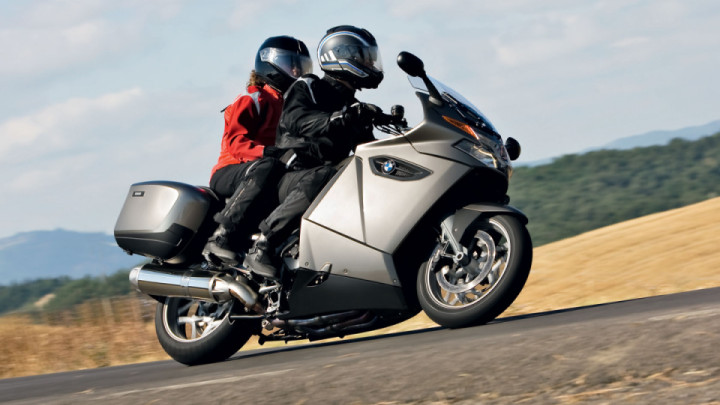
The GT in the name was earned through equipment and ergonomics as much as through engine size. The riding position was upright by sport-bike standards, with a substantial fairing, integrated luggage capability, and real passenger accommodation. This was a machine designed for days in the saddle, not just fast Sunday runs with token hard cases fitted.
Its electrically adjustable windscreen was one of the features that most clearly marked the bike as a serious long-range tool. On a good fast tourer, wind protection is not just about keeping pressure off the chest. It affects noise, fatigue, weather exposure, and the rider’s willingness to sit at motorway speeds for hour after hour. Period tests generally rated the BMW’s fairing and screen as effective, though as with most screens rider height made a difference, and some owners experimented with aftermarket options to reduce buffeting.
Seat comfort and ergonomics were broadly in keeping with the bike’s purpose. BMW also offered fit and equipment choices typical of the brand at the time, including heated grips, heated seats in some configurations, luggage systems, and electronic suspension adjustment on many examples. ESA, BMW’s Electronic Suspension Adjustment system, allowed the rider to alter damping and preload settings electronically rather than with traditional manual adjusters. On a touring motorcycle that might run solo one day and two-up with luggage the next, that convenience had real value. It did not remove the need for correct setup, but it made setup changes much easier.
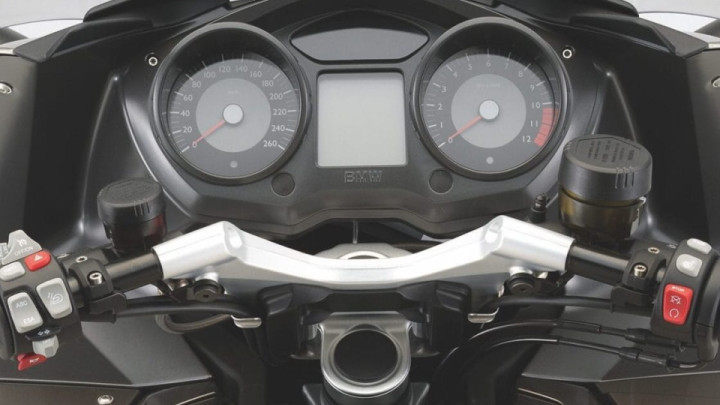
The instrument layout and switchgear reflected late-2000s BMW practice: comprehensive, slightly businesslike, and clearly aimed at riders who would use the bike in varying weather and on long journeys. Storage space on the motorcycle itself was limited in the way it usually is on sport-tourers, but with the factory panniers fitted the K 1300 GT worked as intended. It was built around the assumption that its owner would travel.
Fuel range depended heavily on pace, load, and road type. Independent tests typically found the bike reasonable rather than outstanding by touring standards, which is understandable given the performance on offer and the mass involved. This was not an austerity-minded tourer. It was a fast one.
Electronics and BMW’s late-2000s approach
The K 1300 GT arrived during a period when BMW was expanding the role of electronics across its range without yet reaching the highly integrated rider-assist systems that would become common later in the 2010s. ABS was well established. ESA had become a significant selling point. Tyre-pressure monitoring, onboard computer functions, heated equipment, cruise-related touring conveniences, and anti-theft options all fitted the premium-touring brief.
What the bike did not have was just as revealing. This was still a pre-IMU era machine, before lean-sensitive traction control and semi-active suspension became normal talking points in the class. Its electronics were there to support comfort, adjustability, and safety rather than to dominate the riding experience. That gives the K 1300 GT a particular place in BMW history: modern enough to feel contemporary in equipment terms, old-school enough to avoid the software-heavy character of later flagship tourers.
Model-year changes and the short production life
The K 1300 GT had a short life compared with many BMW tourers. It was introduced for the 2009 model year as part of the wider K 1300 family and remained in production only briefly before BMW shifted its top-end touring strategy toward the six-cylinder BMW K 1600 GT. That short run matters when judging the motorcycle. It was not a long-evolving model that passed through multiple clearly distinct generations. It was a late refinement of an existing platform that arrived near the end of the large four-cylinder BMW GT line.
Changes during production were therefore limited. Markets differed in standard and optional equipment, colours changed, and some detail updates appeared, but there was no fundamental mid-life transformation. The real distinction is between the K 1200 GT that preceded it and the K 1300 GT itself. Buyers and historians generally treat the latter as the better-sorted version of the concept.
That also explains why the model can seem slightly overlooked. It did not last long enough to build a long independent story, and its successor was a much more conspicuous machine. But for riders who preferred a somewhat narrower, less opulent format than the K 1600 GT, the K 1300 GT represented the end of a particularly BMW answer to fast touring.
Reliability, recalls, and ownership concerns
The K 1300 GT’s reputation is mixed in a way that is familiar for technically ambitious BMWs of the period. Many examples have covered high mileages successfully, and the underlying concept suits long-distance use well. But ownership has never been as simple as that of a basic chain-drive Japanese four. Complexity, equipment level, and brand-specific systems all raise the stakes when maintenance is deferred or diagnosis is poor.
One of the best-known official issues affecting the K 1300 family concerned the switchgear. BMW conducted service actions and recalls in several markets during this period over handlebar switch assemblies that could fail or behave intermittently. The exact scope depended on market and production range, so it should not be described as a universal defect on every machine, but it was a genuine and well-documented concern.
Another widely discussed issue involved the cam-chain jump guard and timing control on some early K 1300 models. BMW issued technical updates, and owner communities have paid close attention to whether the relevant work was carried out. As with many such issues, the important distinction is between a recognised model-family concern and proof that every motorcycle will suffer the same failure. A documented service history matters more than broad internet folklore.
Owners also watch the final drive, suspension components, ESA function where fitted, and the general condition of electrical systems. None of those checks is unusual on an ageing premium tourer, but repair costs can be significant. Heat, weight, and complexity all matter as these bikes age. So does use pattern. A well-kept high-mileage touring bike with complete records may be a safer prospect than a neglected low-mileage example that has spent long periods standing.
Routine maintenance was shaped by BMW practice of the time: valve-clearance inspections at specified intervals, shaft-drive attention, cooling-system care, and close checking of software updates and dealer campaign history. This is not a motorcycle that rewards neglect. But neither is it a fragile exotic. It sits in a middle ground where proper servicing is essential to preserving the qualities BMW was charging for in the first place.
Competitors and market position
When new, the K 1300 GT competed with a varied set of machines because the sport-touring category itself was broad. Depending on market, likely cross-shops included the Yamaha FJR1300, Honda ST1300 Pan European, Kawasaki 1400GTR/Concours 14, and in some buying decisions BMW’s own R 1200 RT. Each took a slightly different view of the problem.
The Yamaha FJR1300 was probably the most direct conceptual rival: another large-capacity shaft-drive four built to cover serious distance at serious speed. The Yamaha had a reputation for durability and relative simplicity, while the BMW answered with more unconventional engineering, a more premium options structure, and, in period, sharper claims to technical distinction. The Kawasaki 1400GTR leaned more openly toward high-performance sport-touring, drawing heavily from the ZX-14 platform and offering very strong straight-line performance, though with its own compromises in weight and heat management.
Against the Honda ST1300, the BMW looked more overtly modern and more performance-oriented, especially as the Honda aged. Against BMW’s own R 1200 RT, it offered more top-end authority and a different kind of smoothness, but it could not match the boxer tourer’s lower-speed friendliness and, for some riders, simpler sense of mechanical access.
What set the K 1300 GT apart was not that it clearly beat every rival in every category. It did not. Its distinction lay in the combination of very high real-world pace, sophisticated chassis ideas, strong weather protection, and premium equipment. Its weakness was equally clear: it asked buyers to accept size, complexity, and a certain BMW-specific way of doing things in return.
Press reception and rider opinion
Contemporary reviews were generally positive, especially when comparing the motorcycle with the K 1200 GT it effectively superseded. Testers liked the stronger engine, improved refinement, stable high-speed behaviour, and long-distance competence. Many regarded it as a more complete and more convincing motorcycle than the earlier machine.
Criticism did not disappear. Weight remained part of the story, especially in town and at parking speeds. Some riders never warmed to the feel of the Duolever front end. Others still found the drivetrain less silky than the best conventional rivals. Price and options also mattered, as they often do with BMW tourers: a well-equipped example could sit in a premium bracket where buyers expected almost complete polish.
Still, the broad period verdict was clear enough. The K 1300 GT worked best for experienced riders who genuinely used a fast tourer as intended: long distances, changing weather, luggage, and sustained speed. In that environment its strengths were easy to justify. Riders looking for a lighter, simpler, or more obviously sporty machine often chose elsewhere.
Place in BMW history
The K 1300 GT sits at an interesting point in BMW Motorrad’s development. It belongs to the phase when BMW was trying to build high-performance multi-cylinder motorcycles that did not simply imitate Japanese formulas, yet also had not fully moved into the electronically dense luxury-touring world represented by later flagships. It was highly engineered, slightly idiosyncratic, and unapologetically aimed at riders who covered distance fast.
Its direct historical significance is not that it transformed the market. It did not. Nor was it a runaway sales phenomenon. Its importance is narrower and more specific. It was the best-resolved version of BMW’s large four-cylinder GT formula, and the last of its kind before the six-cylinder K 1600 family changed the company’s touring hierarchy.
That leaves it with a particular appeal in the used market and in BMW’s own lineage. Riders who want the final evolution of the K-series transverse four-tourer often see it as the one to have, because it delivers most of what the K 1200 GT promised with fewer compromises. And because BMW never replaced it with another motorcycle of quite the same shape, engine layout, and mission, the K 1300 GT remains a distinct endpoint rather than just an older step on the way to something newer.