







12
2
Sponsored by Moto Animals
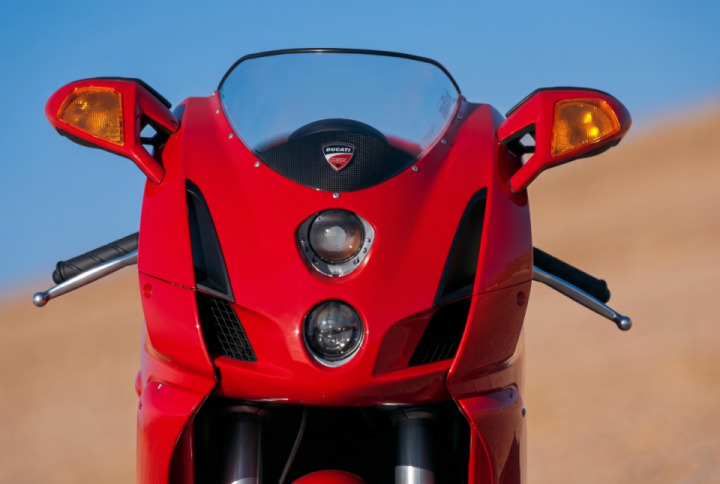
When Ducati unveiled the 999 in 2002, they faced an almost impossible task: replacing the legendary 916 lineage. Designed by Massimo Tamburini, the 916 (along with the 996 and 998) were universally praised as some of the most beautiful motorcycles ever built. Enter South African designer Pierre Terblanche. He threw out the romantic curves of its predecessor, replacing them with razor-sharp angles, stacked projector headlights, and raw, unapologetic functionality.
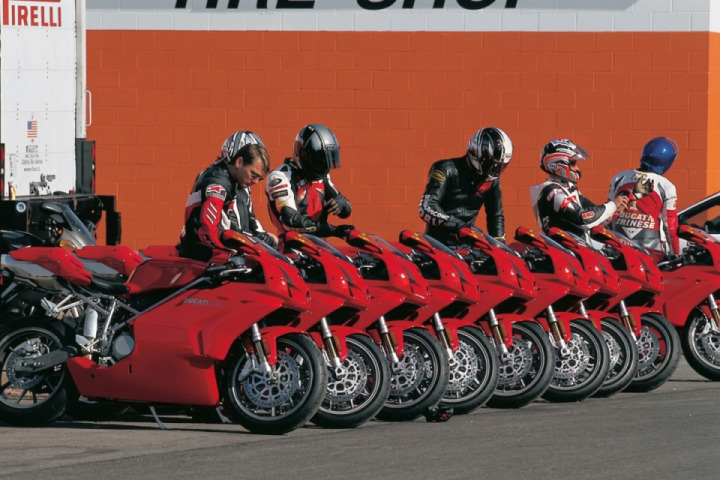
Ugly But Fast?
The public reaction was immediately polarized. Purists mourned the loss of the iconic single-sided swingarm and the sleek, feline nose. However, Terblanche’s design was not driven by aesthetics alone; it was dictated by the wind tunnel and the stopwatch. The 999 was significantly more aerodynamic than the 916 series, designed to slice through the air and reduce rider fatigue.
More importantly, the 999 introduced unprecedented rider-centric engineering. It offered a highly adjustable ergonomic triangle—riders could customize the position of the footpegs and control levers. On the monoposto (single-seat) versions, even the seat and tank assembly could be adjusted forward and backward to perfectly suit the rider's dimensions.
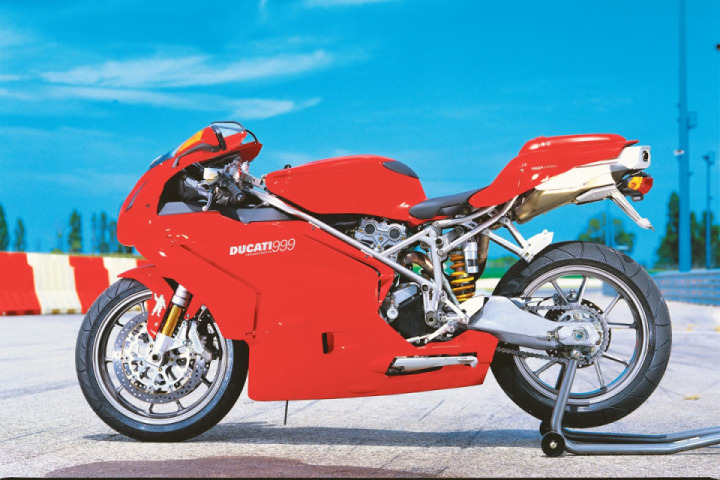
That Testastretta Engine
Beneath the controversial fairings beat the revered Testastretta (narrow head) L-twin engine. This powerplant delivered linear, relentless torque, transforming the Ducati 999 into a precision instrument rather than a brute. Combined with a stiffer, conventional double-sided swingarm (later upgraded to a braced version in 2005) and a revised trellis frame, the motorcycle offered exceptional stability and feedback during heavy braking and aggressive cornering.
Winning Cures Everything
While showroom buyers debated its looks, the 999 let its track record do the talking. It quickly became one of the most successful racing motorcycles in history, utterly dominating the World Superbike Championship (WSBK).
2003: British rider Neil Hodgson crushed the competition on the factory 999, winning 11 of the first 12 races to easily take the world title.
2004: James Toseland followed suit, securing another WSBK championship for the Ducati factory team.
2006: The legendary Troy Bayliss returned to WSBK and cemented the 999's legacy by capturing its third world title in just four years.
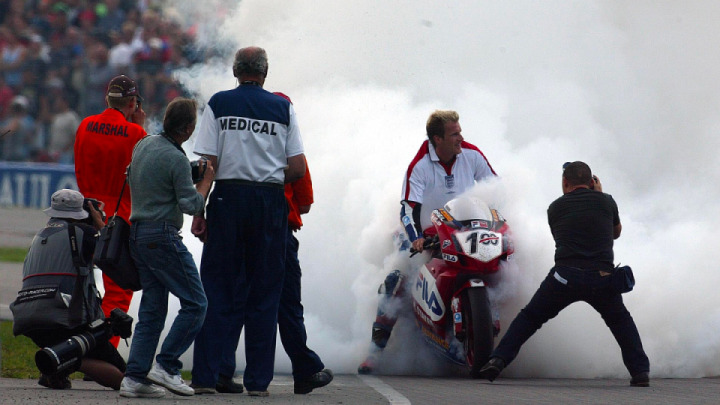
Today, the initial controversy has faded, leaving behind the legacy of a brilliant, uncompromising machine. The Ducati 999 has transitioned from an misunderstood outlier to a sought-after modern classic, revered not for conforming to tradition, but for ruthlessly prioritizing performance and rewriting the WSBK history books.
#Ducati #Ducati999 #WSBK
Comments

Please Log In or install the app. Comments can be posted only by registered users.
Related


